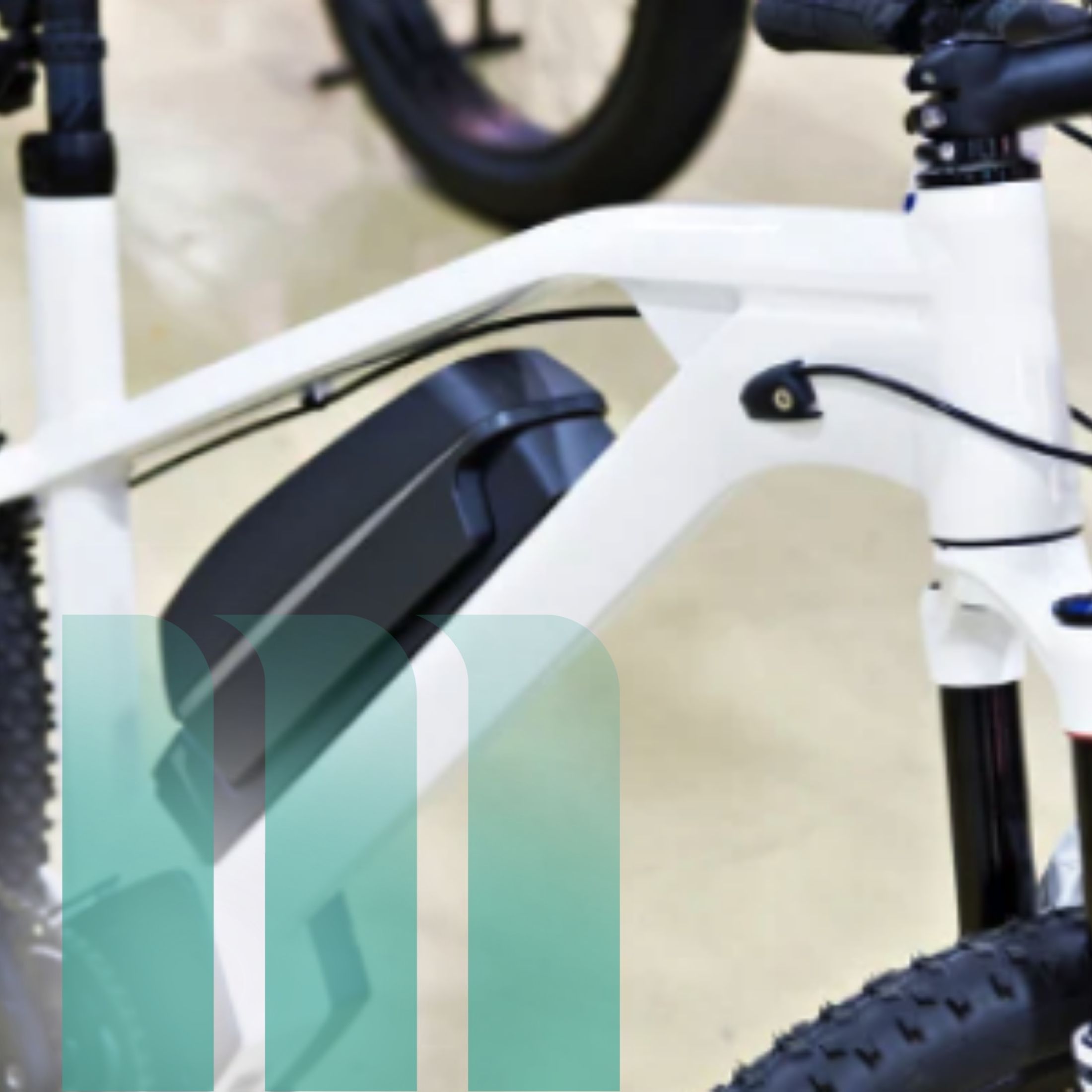
With their environmental benefits, convenience and low running costs, e-micromobility devices powered by lithium batteries – are growing in popularity in NSW. These include electric bicycles (e-bikes), electric scooters (e-scooters), electric mobility (e-mobility scooters), and self-balancing scooters (hoverboards) – collectively known as e-micromobility devices.
With these devices gaining such widespread use, they present a challenge to strata as they commonly contain lithium-ion batteries, which are associated with risks and hazards including fire and explosion, radiation, heat, chemical and electrical.
The rise in fires caused by lithium-ion batteries has necessitated new regulations in NSW governing e-micromobility devices and the lithium-ion batteries used to power these devices. They are now legislated as ‘declared electrical articles’ under the Gas and Electricity (Consumer Safety) Act 2017.
This means that these products must comply with the prescribed mandatory safety standards before they can be sold in NSW.
As of February 1, 2026, a strict safety and certification framework requires e-bikes, e-scooters, and their chargers to meet formal standards and display permanent approval marks to reduce residential and strata fires.
Existing regulations in effect from February 2025, require e-micromobility devices, batteries and chargers sold in NSW must comply with specific safety standards and mandatory information at point of sale – with hefty fines in place.
For strata, the dangers underscore the need for proactive steps to be taken including:
- E-bike and E-scooter Storage: Designating safe and appropriate storage areas, potentially away from common areas and flammable materials.
- Charging Regulations: Establishing clear guidelines for charging these devices, including restrictions on charging in common areas or overnight.
- Battery Disposal: Providing information and resources on the safe disposal of lithium-ion batteries.
- Resident Education: Raising awareness among residents about the fire risks associated with lithium-ion batteries and promoting safe handling practices.
It is also recommended to have bylaws in place and communicated clearly to owners to ensure compliance and safety within your strata complex.
Lithium-ion facts and guidance
- Meeting insurance requirements: Review strata insurance policy exclusions related to lithium battery fires, records and mitigation measures to assess risks and avoid claim rejections.
- Compliance with Legislation and Fire Regulations:
- Light Electric Vehicle (LEV) charging and proper storage for fire safety: Leaving lithium-ion batteries or devices to charge unattended is one of the main fire risks. They should be stored and charged away from indoor living spaces, in a well-ventilated, dry, cool area away from flammable materials, and away from any exit doors, escape routes.
- Ensure smoke or heat alarms are installed by a licenced electrician where a LEV is stored and/or charged as recommended by Check with the manufacturer or distributor to ensure smoke alarm models are compatible for interconnection.
- Specialist fire extinguishers in storage areas (Class D or lithium-ion rated) in high-risk areas.
- Battery Safety Requirements:
- Only certified lithium batteries should be permitted on strata premises (AS/NZS 60335.1 & AS/NZS 60335.2.29).
- Owners should ensure their lithium-ion battery chargers and devices display the appropriate proof of certification or relevant electrical safety approval marks.
- Recommend use of chargers that are supplied with the device or certified third-party charging equipment that is compatible with the battery specifications are used. Using chargers with incorrect power delivery (voltage and current) can cause damage to the battery including overheating that can lead to fires.
- Ensure chargers bear the Regulatory Compliance Mark, to show that they meet the relevant Australian Standards under the Electrical Equipment Safety System (EESS).
- Do not use LEV batteries or devices that show signs of swelling or bulging, leaking, overheating, or signs of mechanical damage (cracked, dented, punctured, or crushed).
- Dispose safely: Do not allow batteries to be disposed in landfill bins as the battery can ignite when compacted in the garbage. Ensure responsible disposal of failed or redundant batteries by a NSW EPA approved community recycling centre, an authorised e-waste collection service, household chemical clean out events, contacting local council, or recycling centre drop-off.
For further information and guidance, contact the team at McCormacks.
Sources: NSW Fire & Rescue; REINSW; NSW Fair Trading; NSW Government Approval of Electrical Articles.